What Farmci does
How a production cycle becomes something a lender can read.
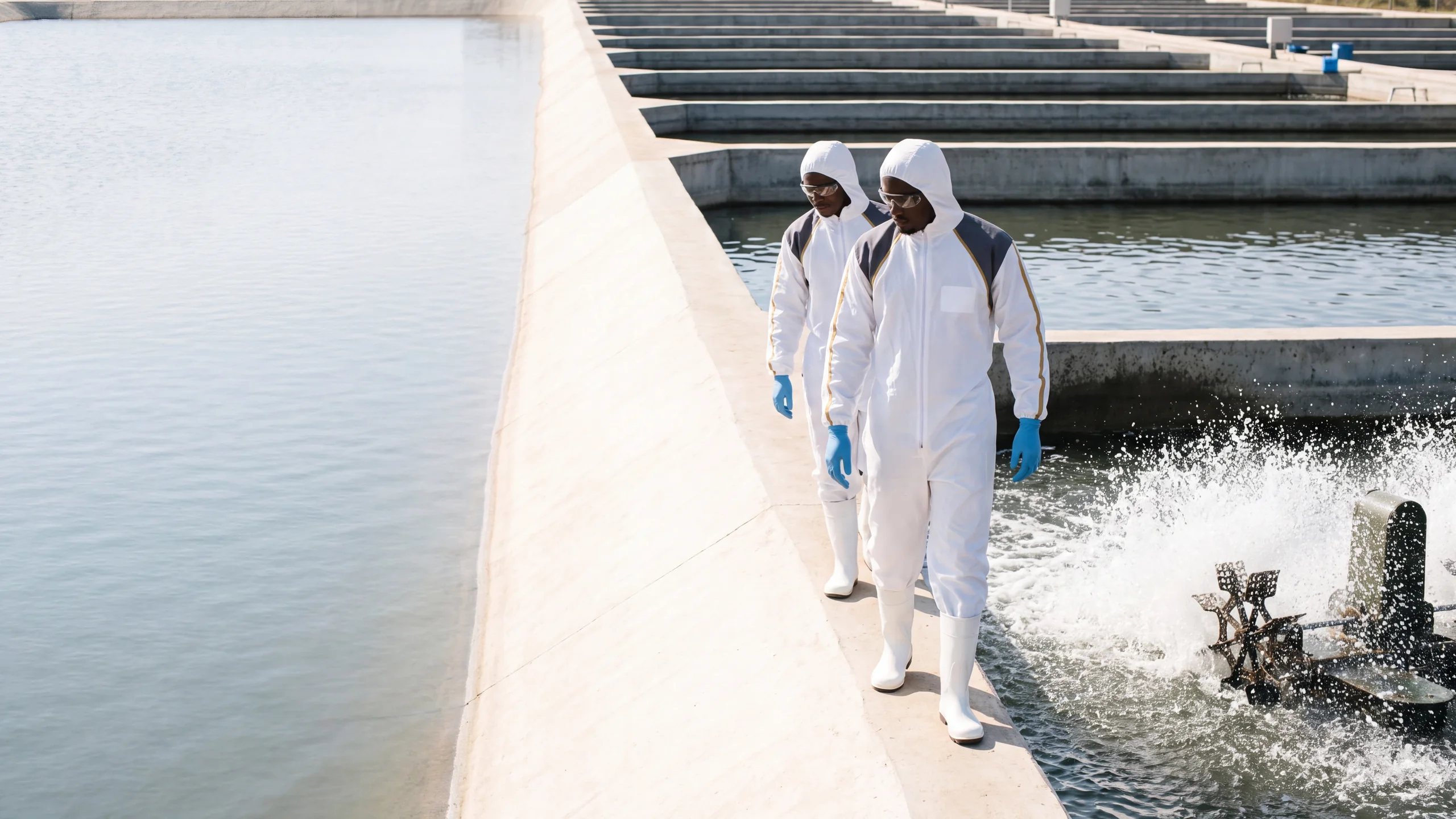
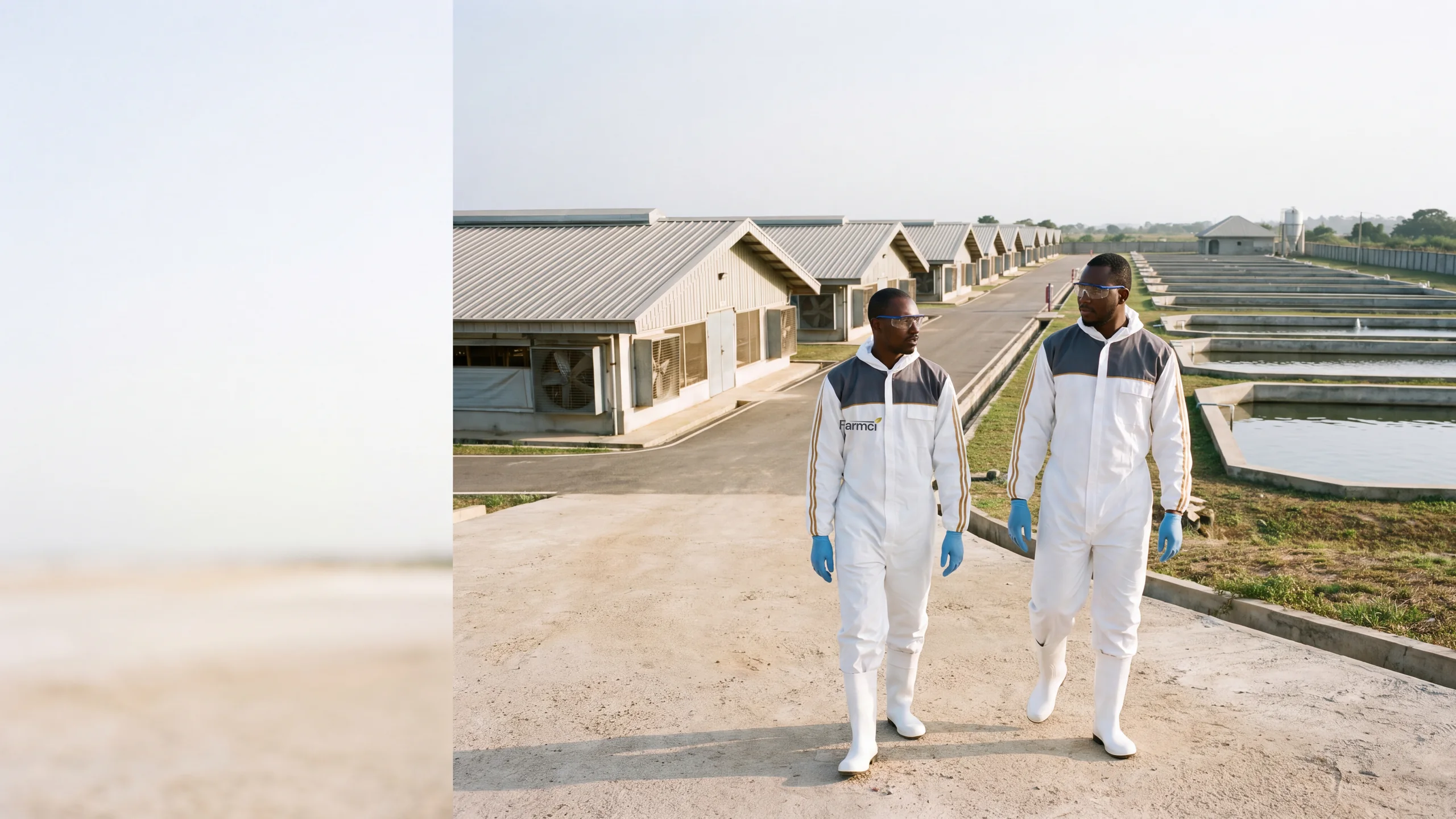
Farmci starts inside the poultry house and the fish pond, keeps a record of every cycle, and turns that record into evidence a bank, an insurer or a development finance institution can judge. The four steps below are that sequence in full.
The four stages
Collect, combine, model, evaluate.
Each step is useful on its own. Together they are what makes a farm possible to underwrite.
- 01 Collect
Readings from inside the house and the pond
They run for the whole cycle rather than on the days someone remembers to check, and the readings go to one place. Whoever runs the farm can see a change without standing in the house.
- 02 Combine
Joined to what the cycle actually cost
A reading on its own says the conditions changed. The same reading next to what the farm stocked, paid and sold says what that change was worth. Inputs are logged as they arrive, so the two line up.
- 03 Model
Written up as one cycle that can be compared
The output is a record: what was stocked, what it cost, what survived, what it sold for, and how that sits against a benchmark. The models are documented rules, so any figure can be traced back to what produced it.
- 04 Evaluate
Put in front of the people who lend
A farm can be well run and still be unfinanceable, because nothing about it is written down in a form a credit committee accepts. This is the stage that closes that gap, and it is the one still in development.
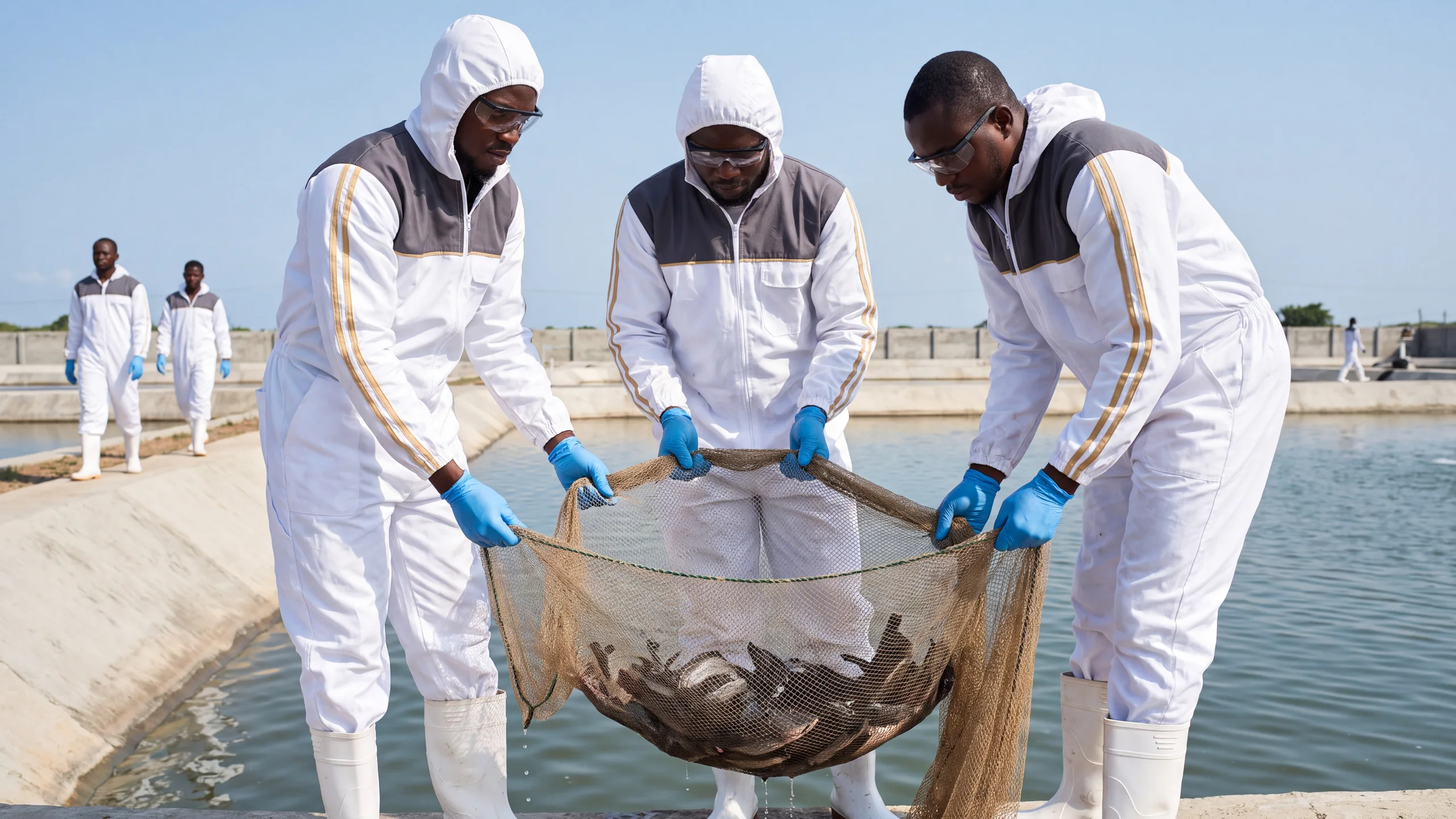
If you run a farm
You see a problem while there is still time to do something about it.
We start with a farm visit and the conditions that matter in your environment. Sensors follow the house or the pond through the cycle, and the record grows as it goes. The same record is what a lender is later asked to judge, so keeping it is worth something to you twice.
- Placement
- Through the cycle
- Close and sale
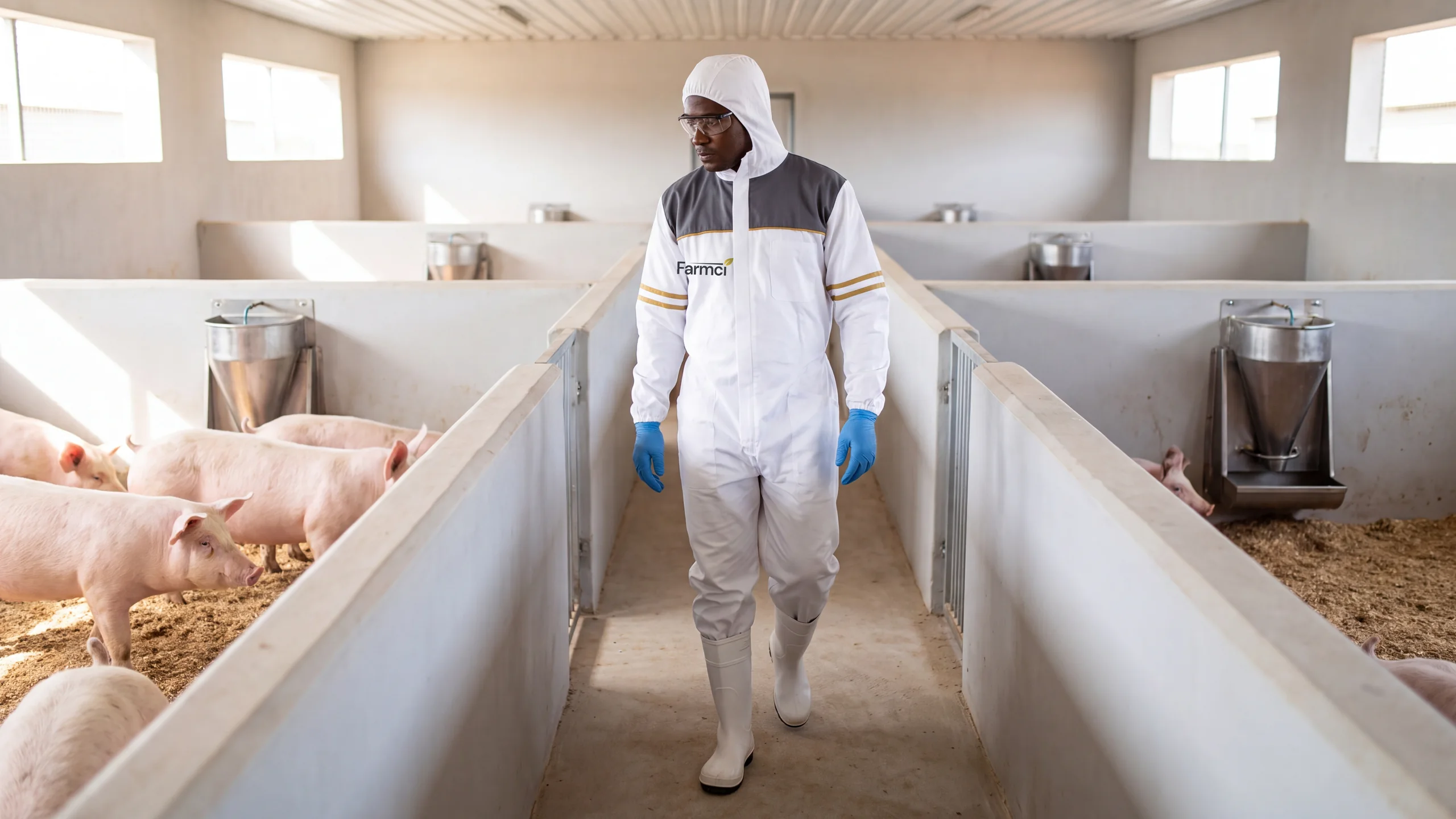
If you lend, insure or invest
You get a cycle you can check, not a claim you have to take on trust.
Farmci keeps a record of each production cycle: what was stocked, what it cost, how the animals grew, what was lost, and what it sold for. The readings come from sensors on the farm and from inputs logged as they arrive. Where a cycle goes wrong, the same record shows when it started to go wrong.
- What was stocked
- What it cost
- What survived
- What it sold for
One cycle you can check
The same four steps, across every species we cover.